

MadBlog
Bad Bunny Madrid 2026: Dates, Tickets, and Venue Info
Bad Bunny's 2026 Madrid concerts at Metropolitano Stadium in May and June. Get ticket details and plan your visit to these unmissable events.
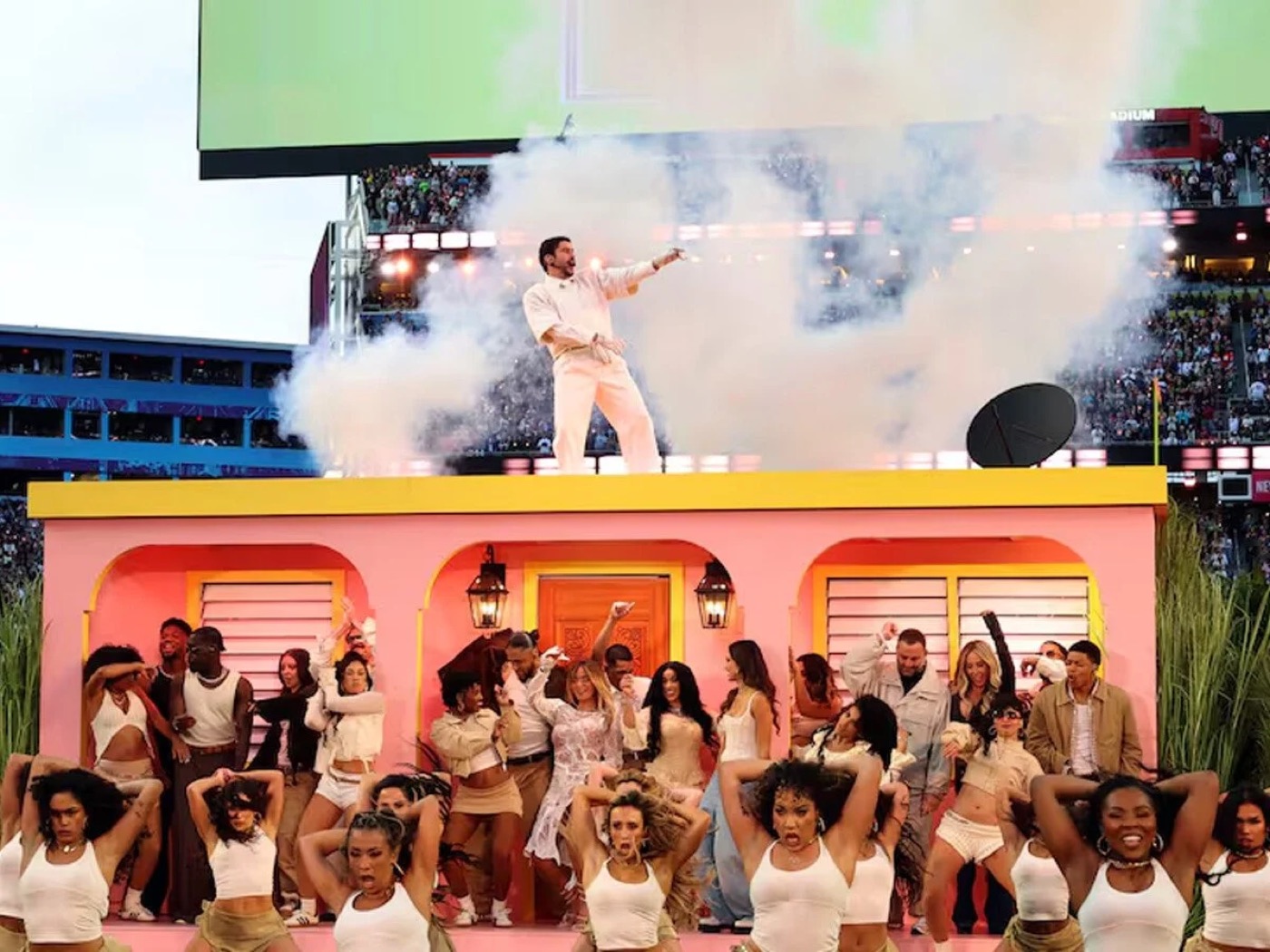
Madrid is no stranger to major concerts, but it’s rare for a single artist to dominate the calendar like a mini-season. Bad Bunny is doing just that: a string of dates spanning late May and June, backed by a career that turns a show into a city-wide event.
Dates in Madrid: May and June 2026
The city’s official calendar lists concerts at the Riyadh Air Metropolitano Stadium on 30 and 31 May, and 2, 3, 6, 7, 10, 11, 14 and 15 June 2026. Ticketmaster and Live Nation confirm the tour and its various dates at the same venue.
From Benito (Vega Baja) to Bad Bunny: the story
Before the global phenomenon, there was Benito, living a fairly ordinary life. He enrolled in Audiovisual Communication at the University of Puerto Rico’s Arecibo campus and worked bagging groceries at an Econo supermarket to pay for his studies. This detail isn’t just trivia: it explains why his project has always been visually driven (album covers, concepts, stage design) and rooted in a “this is work” ethic.
His breakthrough came via the same route as much of modern music: the internet. Bad Bunny started by uploading tracks to platforms like SoundCloud (check out “Diles” from 2016). When his name began to circulate, producer DJ Luian signed him to Hear This Music. From there, his popularity skyrocketed with tracks that placed him at the forefront of Puerto Rico’s new urban wave.
His leap to the “global league” wasn’t a single moment but a series of smart decisions: collaborating without losing his identity and creating a sound instantly recognisable. In 2018, the pop crossover hit: “I Like It” (with Cardi B and J Balvin) reached No. 1 on the Billboard Hot 100, and suddenly Bad Bunny was no longer “the Latin feature” but a central figure in global pop. That same period saw the release of his debut studio album, X 100PRE, which highlighted a key aspect of his career: refusing to box his sound into one genre, instead blending styles and references freely.
By 2020, he had solidified what’s now recognised as “the Bad Bunny formula”: concept + volume + creative control. That year, he released YHLQMDLG (short for “Yo hago lo que me da la gana” or “I do whatever I want”), earning his first Grammy, as noted by Britannica. Later that year, he made history with El Último Tour del Mundo debuting at No. 1 on the Billboard 200—a first for a Spanish-language album in that position.
The next step was cultural, not just chart success. With Un Verano Sin Ti, his appeal extended beyond “the genre” to become universal. GRAMMY.com highlighted it as the first Spanish-language LP nominated for Album of the Year at the 2023 Grammys, where it also won Best Música Urbana Album. His live performances broke records too: Billboard noted that in 2023, he became the first Spanish-language artist to headline Coachella.
Fast forward to “today” (2026), and Bad Bunny is no longer competing to be the biggest in urban music; he’s vying for a place among pop’s greats. Associated Press reports that at the 2026 Grammys, he won Album of the Year for “Debí Tirar Más Fotos,” marking a milestone for a Spanish-language album in that category.
Impact on Madrid: what really changes
The Bad Bunny effect in Madrid isn’t about flashy headlines; it’s grounded in three very tangible factors.
First, the scale of the venue. Atlético de Madrid itself states that the Riyadh Air Metropolitano has a capacity of 70,692 spectators (concert configurations may vary, but that’s the ballpark figure). When you schedule multiple nights, the city repeatedly shifts into “stadium mode.”
Second, music tourism. Colliers has analysed the gig tripping phenomenon in Madrid, noting that in 2024, hotel prices in areas near major concert venues rose by an average of 23% to 76% due to peak demand. This isn’t a prediction specific to Bad Bunny but a pattern seen with any large-scale event.
Third, the cumulative impact of events. Madrid City Council reported that sports and music events held in the city in 2023 generated an economic impact of €380 million (a city-wide figure, not attributable to a single artist). This illustrates why these weekends translate into bookings, table turnover, strained transport systems and a buzz that’s palpable on the streets.
And then there’s the intangible but real: the brand. When an artist with proven milestones (Billboard, Grammys, Coachella) schedules 10 dates at the same stadium over consecutive weeks, Madrid isn’t just “hosting concerts”; it’s positioning itself as a key European stop on the global circuit. This visibility attracts international audiences, media, and a type of tourism that’s not just here “to see museums” (though they might), but to experience a date as an event in itself.
MadBlog
Keep reading
Harry Potter en Madrid: planes y rincones mágicos
Descubre planes temáticos de Harry Potter en Madrid: exposiciones, tiendas, cafeterías y actividades para fans. ¡Magia cerca de Gran Vía!
Musicales en Gran Vía 2026: todo lo que necesitas saber
Descubre los mejores musicales en Gran Vía para 2026: horarios, precios, teatros y espectáculos imprescindibles. A un minuto de MadVibes Hostel.
Apertura Madrid Gallery Weekend: arte contemporáneo gratis hasta hoy domingo
Último día para disfrutar de Apertura Madrid Gallery Weekend 2023. Arte contemporáneo gratis en galerías del centro, a minutos de MadVibes Hostel.