

MadBlog
Cervantes in Madrid: landmarks and his legacy today
Follow Cervantes' footsteps in Madrid: Trinitarias, Barrio de las Letras, Cervantina Society and Plaza de España monument. Explore his enduring impact.
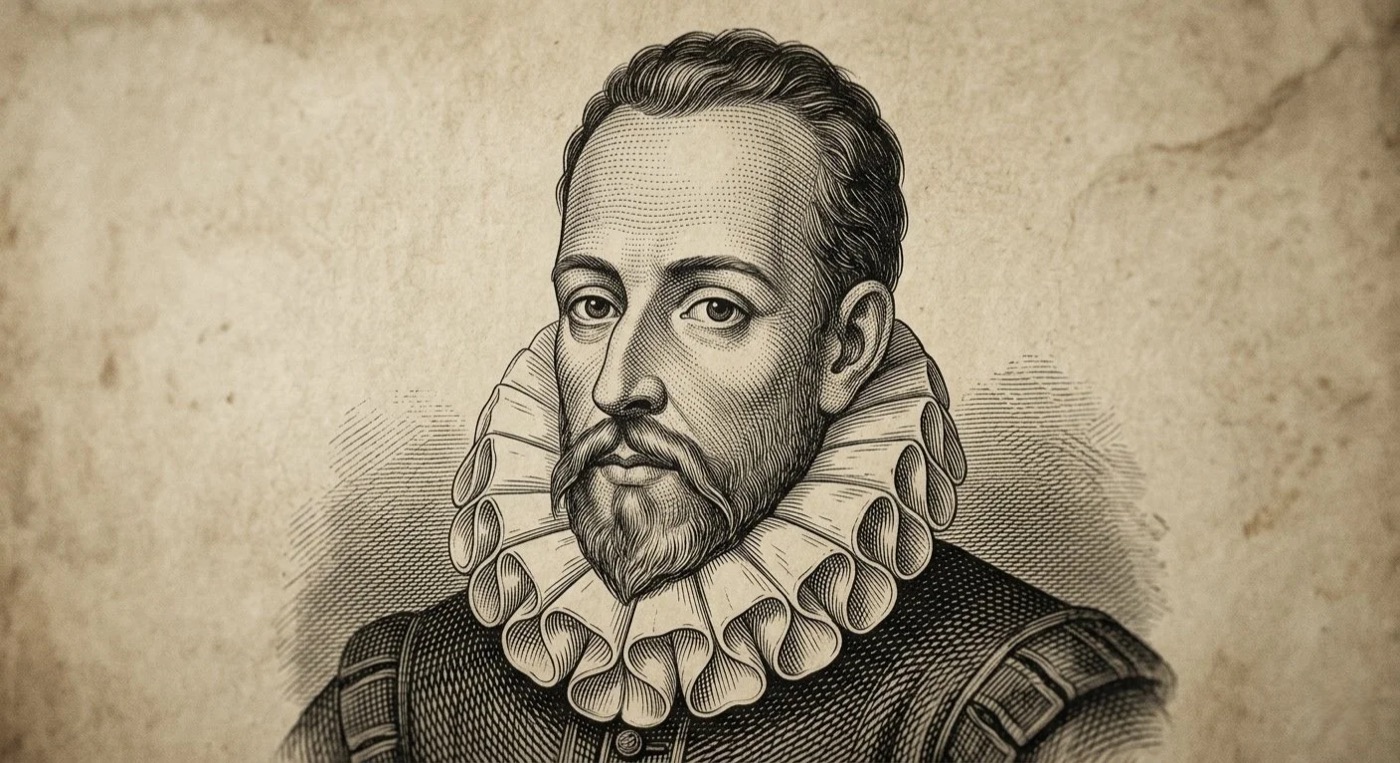
Cervantes: Madrid’s most universal neighbour.
Madrid is known for its museums, theatres and terraces… but there’s a quieter, more local ‘monument’: walking through the centre and stumbling across literature. On that map, Miguel de Cervantes isn’t just a street name: he’s a writer who lived, published and died in Madrid, leaving a trail you can still follow—no need for a tour or memorising dates.
Who was Cervantes (in two minutes, with context)
Cervantes was born in Alcalá de Henares (1547) and died in Madrid (1616). His biography isn’t the polished story of a ‘genius with an easy life’: it’s full of moves, practical jobs and hard knocks. He spent time in Italy, fought in the Battle of Lepanto (1571) —where he was injured in his left arm— and, on his return to Spain, was captured and taken to Algiers, where he spent five years as a prisoner until being ransomed by Trinitarian friars.
Back in Madrid, he married in 1584 and worked as a provisions officer (with accounting issues that even led to prison). And yet—or perhaps because of it—his final years were incredibly productive: Don Quijote was published in 1605 (first part) and 1615 (second part).
What’s interesting for visitors isn’t reciting the timeline but understanding the kind of person he was: Cervantes is Madrid when Madrid isn’t trying to impress. Wit with scars.
Why Madrid ‘is’ Cervantes and why Cervantes is so Madrid
Some cities celebrate their writers as if they were statues. Madrid, when it gets it right, celebrates them as neighbours. And Cervantes fits because his story hits three very local notes:
And there’s a practical idea too: many first editions of his work circulated from here. Turismo Madrid summarises it in its Cervantes route, highlighting places linked to publishing and printing.
Trinitarias: a sober place that leaves an impression.
Key spots to understand him without getting too solemn
The Convent of the Trinitarias (where his remains rest)
In the heart of the Barrio de las Letras is the Church and Convent of the Trinitarias Descalzas (Calle Lope de Vega, 18). Turismo Madrid notes free entry and an important detail: the church opens half an hour before mass, and visits should be arranged by calling the number they provide. It’s a sober place, with no spectacle. And that’s precisely why it leaves an impression: it reminds you that the end of the ‘most universal author’ was as human as anyone’s.
Cultural plans by day, rest at night: stay in the centre and return to a quiet room.
The printing press: where literature became an object.
Sociedad Cervantina (the printing press as an experience)
If you’re interested in the material side—how a book becomes an object—the Sociedad Cervantina (Calle Atocha, 87) is a serious stop. Turismo Madrid mentions guided tours on Sundays at 12:00 for around €6 (other prices depend on the event). It’s not a ‘look-don’t-touch museum’: it’s a place that grounds the idea that Don Quijote was also printing, workshops, ink and craft.
The ‘lived here / died here’ of the Barrio de las Letras
Cervantes lived at various addresses in Madrid (Magdalena, León, Matute, Huertas…) and the house where he died, at the corner of Calle del León and the former Calle de Francos, is especially remembered. It’s marked with a commemorative plaque (though the original building was demolished in the 19th century). There’s something nice about this: Madrid doesn’t tell you with fanfare, it leaves it on the wall like a note between neighbours.
Monument to Cervantes in Plaza de España (a short walk from Gran Vía)
Here Madrid goes epic: the monument in Plaza de España is a monumental composition featuring Don Quijote and Sancho, and it works as a ‘postcard’ of the city. For MadVibes it’s perfect because it’s close to Gran Vía: you can see it without turning it into an excursion.
Curiosities that change how you read Cervantes (and see Madrid)
And if there’s one takeaway: Cervantes makes more sense as an adopted (and scrappy) Madrileño than as a statue.
In Madrid, literature is something you can walk on.
MadBlog
Keep reading
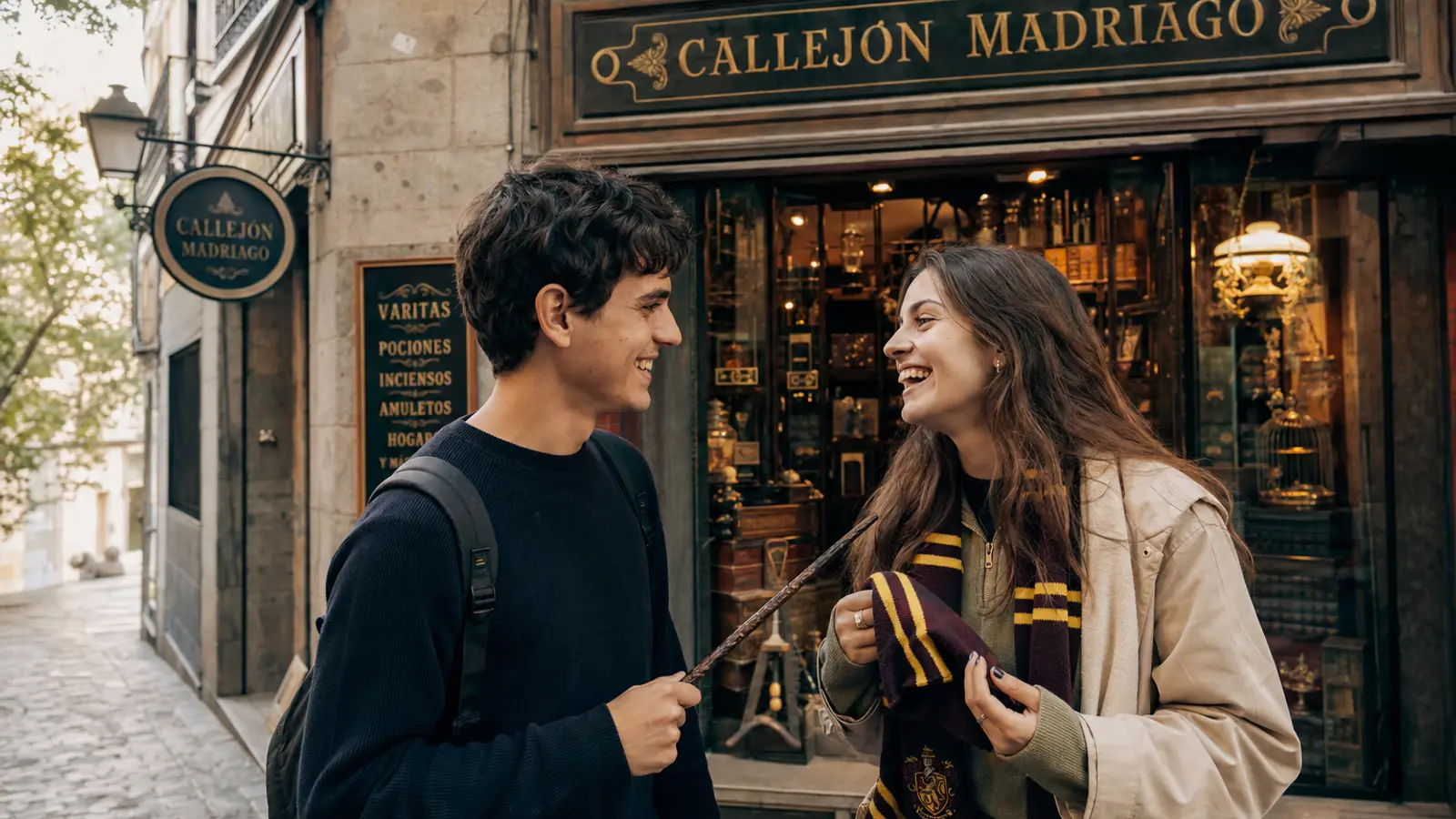
Harry Potter en Madrid: planes y rincones mágicos
Descubre planes temáticos de Harry Potter en Madrid: exposiciones, tiendas, cafeterías y actividades para fans. ¡Magia cerca de Gran Vía!
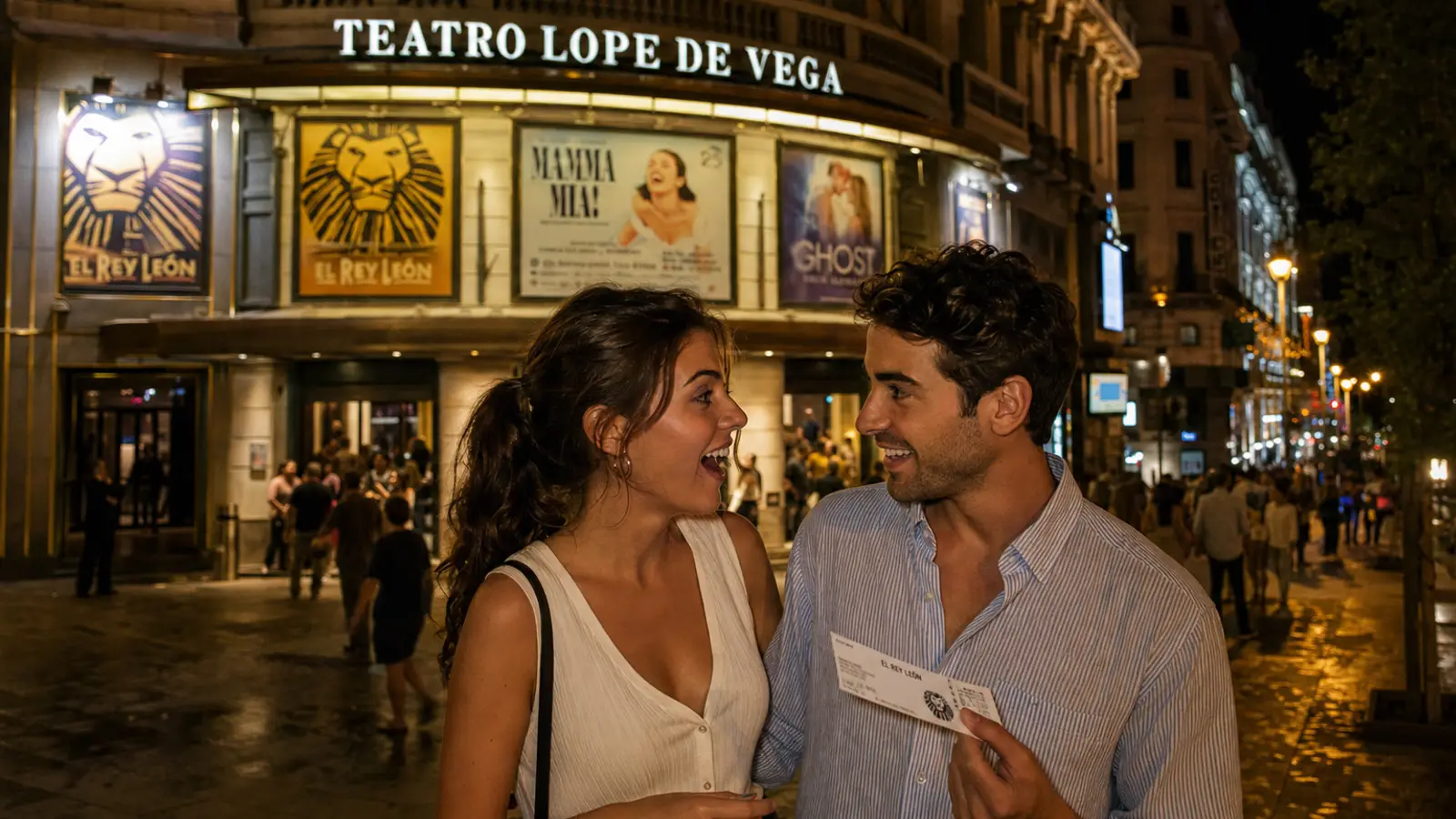
Musicales en Gran Vía 2026: todo lo que necesitas saber
Descubre los mejores musicales en Gran Vía para 2026: horarios, precios, teatros y espectáculos imprescindibles. A un minuto de MadVibes Hostel.
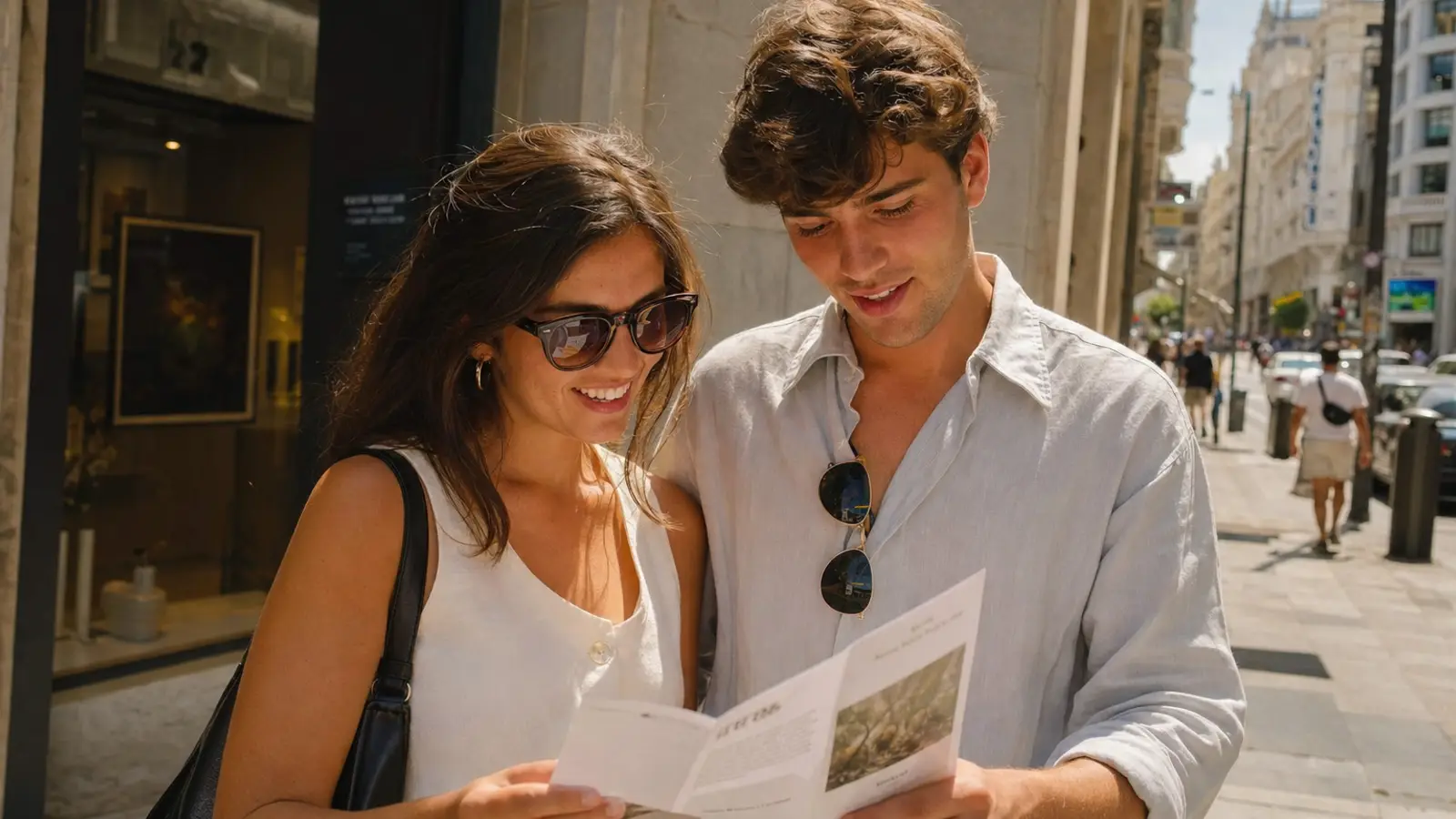
Apertura Madrid Gallery Weekend: arte contemporáneo gratis hasta hoy domingo
Último día para disfrutar de Apertura Madrid Gallery Weekend 2023. Arte contemporáneo gratis en galerías del centro, a minutos de MadVibes Hostel.