

MadBlog
Cocido madrileño near Gran Vía: where to try it
Learn where to savour authentic cocido madrileño just a minute from Gran Vía. Perfect for a traditional Madrid dining experience during your stay.
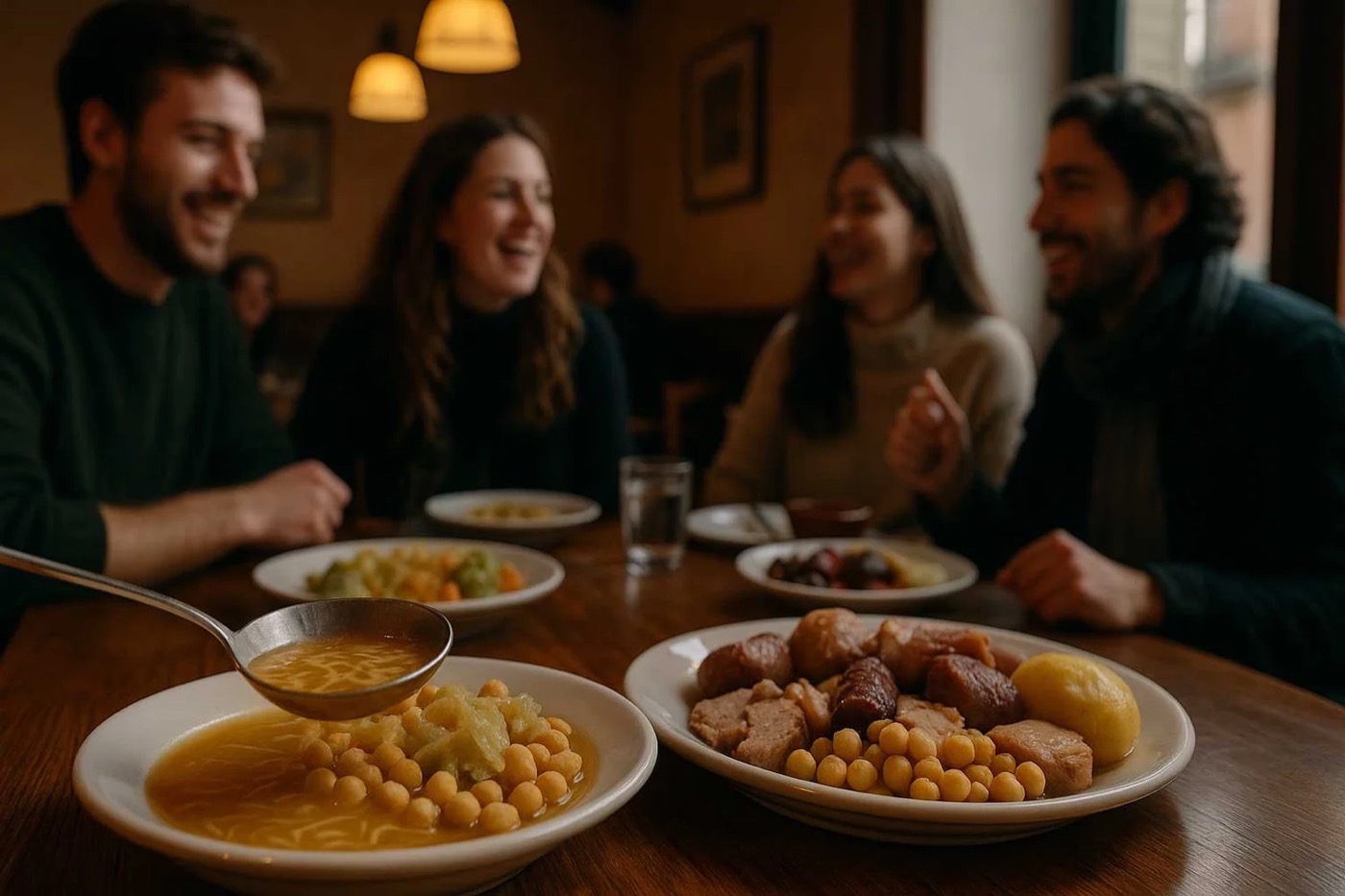
Some days in Madrid are all rush, crowded streets, phone notifications and a hundred things to do. Then, suddenly, a plan forces you to slow down: sit down, ask for bread, look at the table and wait for a steaming tureen to arrive. That’s what cocido madrileño is all about.
If you’re spending a few weeks in the city, mixing mornings in front of a screen with afternoons exploring the centre, cocido is the dish to try at least once. It’s a very Madrilenian way of understanding time.
What exactly is cocido madrileño?
Cocido madrileño is a stew of chickpeas, vegetables and various meats (beef, hen, pork, chorizo, bacon…) cooked slowly for hours until everything shares the same rich, comforting broth flavour. It’s one of the most representative dishes of Madrid’s cuisine, especially in the colder months.
The classic way to serve it is in three stages (vuelcos):
In many restaurants today, it’s simplified into two servings (soup first, then chickpeas and meats together), but the idea remains the same: one dish served in several courses, with pauses in between.
A dish with history (and many layers)
The origins of cocido madrileño are not entirely clear, but it’s known to come from a long tradition of slow-cooked legume stews.
Over time, this stew was adapted to local tastes, becoming cocido madrileño, a dish ubiquitous in the city by the late 19th and early 20th centuries, served in both humble homes and well-known restaurants.
Where to eat cocido madrileño near Gran Vía
If you’re around the Gran Vía/Sol area, you don’t need to go far to find a good cocido.
- Classic taverns in the centre
In the historic centre, there are long-established eateries and taverns where cocido is still prepared the traditional way: large pots, served in stages, with tablecloths and the background hum of conversations.
A well-known example is La Rayúa, connected to the Verdasco family, where the cocido is cooked in individual clay pots over holm oak charcoal and served in two stages: first the soup, then chickpeas and meat. It’s right in the centre and is one of the names that often comes up when discussing “where to eat cocido in Madrid.”
- Cocido + other traditional dishes in buffet format
Another different option is the Spanish cuisine buffet on Calle Preciados, very close to Sol and just a few minutes’ walk from Gran Vía. It offers unlimited cocido madrileño and various types of rice dishes, along with classic starters, in a large space designed for groups and for those who want to try several traditional dishes in one meal. It’s perfect if:
(Opening times, prices and menus can change, so it’s always best to check websites or social media and book ahead if you’re going on busy days.)
Cocido madrileño: a way to settle into Madrid
There are many ways to “do Madrid”: visit museums, climb rooftops, wander around Malasaña, sip speciality coffee… and, at some point, sit down for cocido madrileño.
It’s a dish that makes you pause, takes you out of autopilot for a while, and places you at a table that smells of broth, slow time and winter. Perfect for those spending a few days here balancing work, exploring and neighbourhood life.
If you’re coming to Gran Vía and want to take home a memory that doesn’t fit in a photo but stays with you, try this plan: a productive morning, a well-made cocido, and a peaceful walk through the centre afterwards. Sometimes, the best way to get to know a city starts with what’s cooking in its pots.
MadBlog
Keep reading
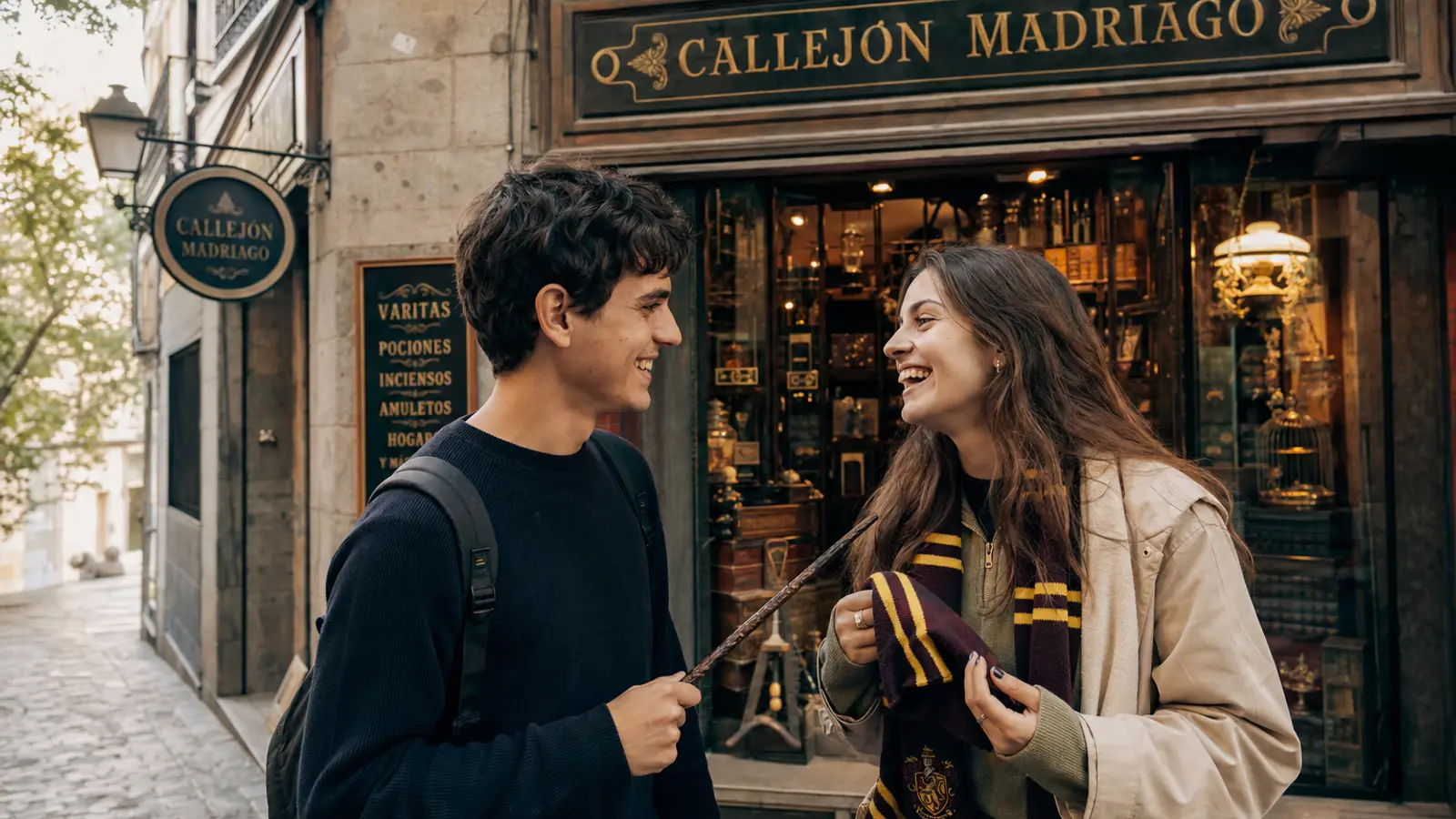
Harry Potter en Madrid: planes y rincones mágicos
Descubre planes temáticos de Harry Potter en Madrid: exposiciones, tiendas, cafeterías y actividades para fans. ¡Magia cerca de Gran Vía!
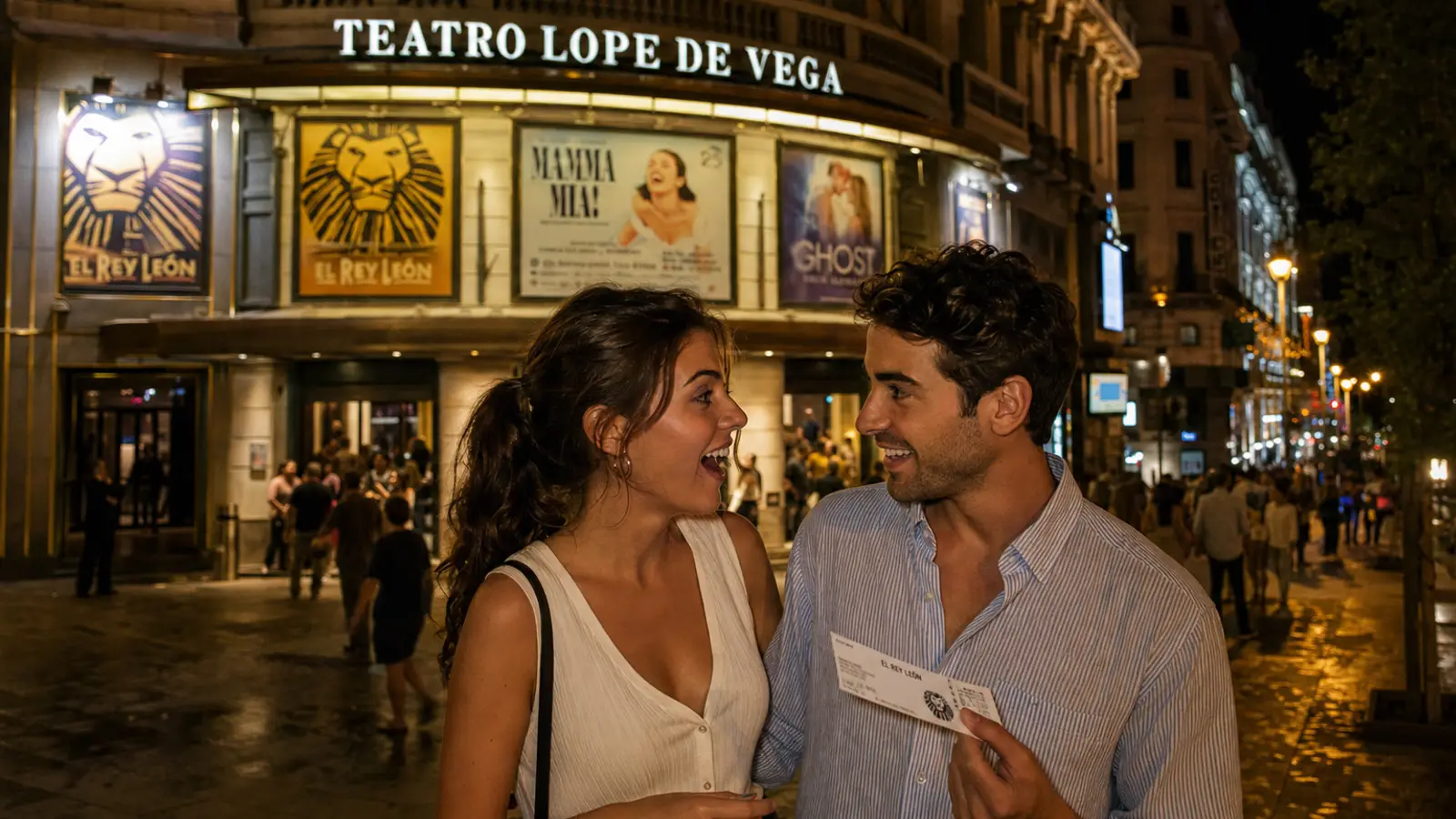
Musicales en Gran Vía 2026: todo lo que necesitas saber
Descubre los mejores musicales en Gran Vía para 2026: horarios, precios, teatros y espectáculos imprescindibles. A un minuto de MadVibes Hostel.
Apertura Madrid Gallery Weekend: arte contemporáneo gratis hasta hoy domingo
Último día para disfrutar de Apertura Madrid Gallery Weekend 2023. Arte contemporáneo gratis en galerías del centro, a minutos de MadVibes Hostel.