

MadBlog
Traffic disruptions in Gran Vía this Sunday for the race
This Sunday, the 'Madrid runs for Madrid' race will affect traffic in Gran Vía and nearby streets. Check timings, affected areas, and alternative routes.
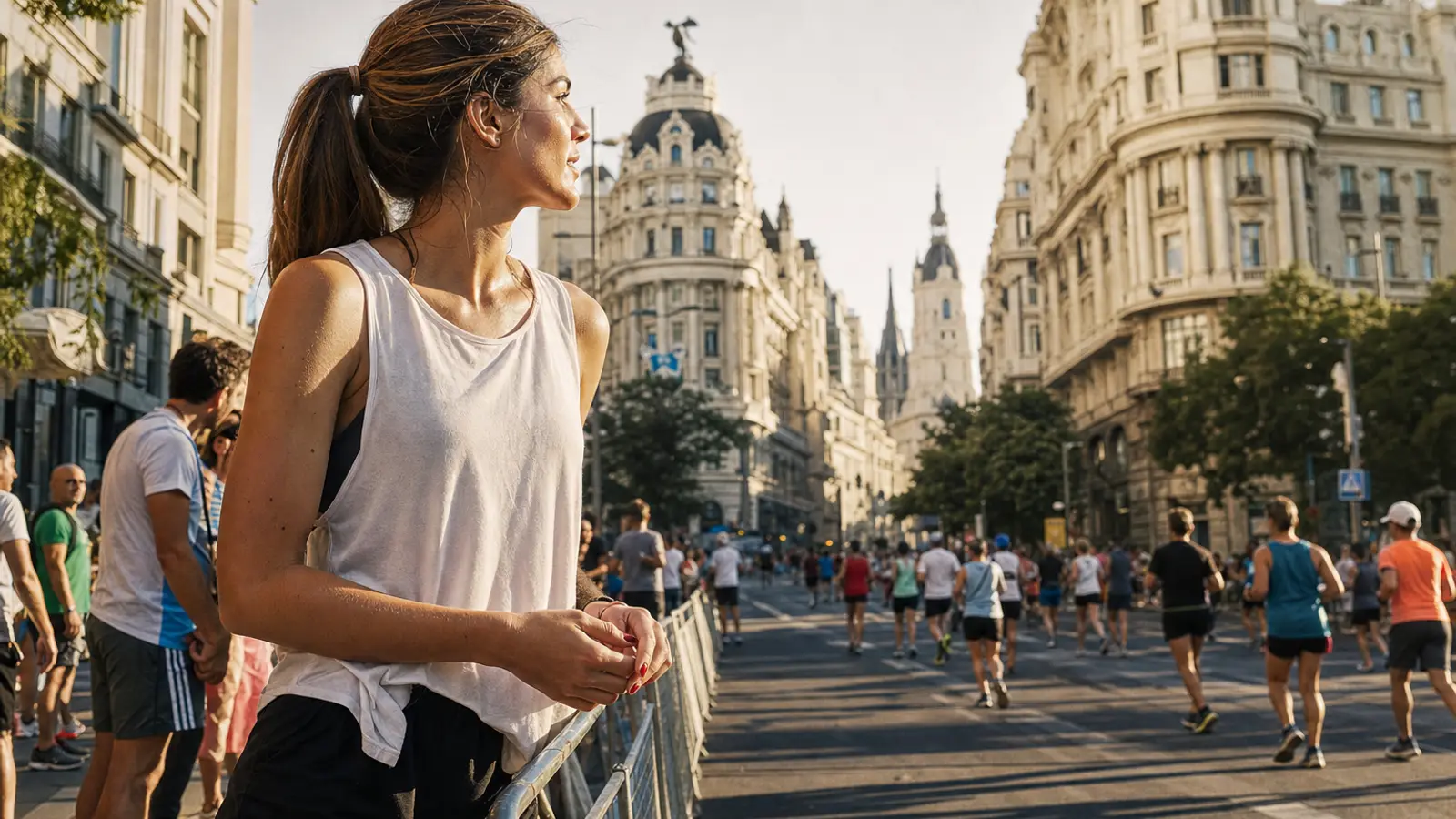
This Sunday, October 22nd, the 'Madrid runs for Madrid' race will cause traffic disruptions in Gran Vía and other central streets. Here's what you need to know about timings and affected areas.
Which streets will be affected by the race?
The route cuts right through the city centre. Key streets affected are Gran Vía, Alcalá, and Paseo del Prado. The race starts at 9:00 AM, and traffic restrictions will be in place until about 12:00 PM, meaning no cars on these main roads for the whole morning.
In addition to these main streets, adjoining roads and smaller streets in the vicinity will also be affected. Streets like Fuencarral, Hortaleza, and parts of Chueca may experience limited access or closures. If you live or work in these areas, plan your movements accordingly. Traffic police will be stationed at key intersections to manage the flow and guide drivers.
For those planning to drive into the city centre, it’s best to avoid the area entirely until the event concludes. Parking restrictions will also be in effect in some zones, so check signage carefully to avoid fines or towing.
Additionally, the race route will pass by several landmarks, including Plaza de Cibeles and Puerta del Sol, which are popular tourist spots. Visitors should note that access to these areas will be limited during the event. If you have plans to visit these locations, consider rescheduling for later in the day.
How to get around the city during the disruptions?
Getting around on Sunday morning is simple: use the Metro. It runs normally. From our door, you have two main stations within a 3-minute walk: Gran Vía (Lines 1 & 5) and Callao (Lines 3 & 5). Walking is your best bet for anything central, as we're right next to the affected area, which makes it easy to navigate on foot.
If you’re traveling from outside Madrid, consider using Cercanías trains to reach stations like Sol or Atocha, which are well-connected to the Metro network. From there, you can easily walk to your destination. Taxi and ride-sharing services like Uber or Cabify may face delays or limited availability in the affected zones, so plan ahead if you rely on these options.
Cycling is another alternative for getting around. Madrid’s bike-sharing service, BiciMAD, has several stations near the affected areas. However, keep in mind that some docking stations might be temporarily inaccessible due to the race. Check the BiciMAD app for real-time updates.
For those who prefer buses, be aware that many lines will be rerouted during the event. The EMT Madrid website provides up-to-date information on changes to bus routes and schedules. If you must use a bus, check the website before heading out to avoid confusion.
Key timings to keep in mind
Here are the key timings. The race starts at 9:00 AM and should be over by 12:00 PM. Our advice? Plan any central activities for after midday. This gives them time to clear the streets and get traffic flowing again. Simple.
If you’re planning to attend an event, visit a museum, or have brunch in the city centre, aim for a start time of 12:30 PM or later. By then, most of the participants and spectators will have dispersed, and public transport will be running smoothly. For early risers, consider exploring areas outside the race route, such as Chamberí or Salamanca, which won’t be affected by the closures.
For those heading to the airport or train stations, plan extra travel time. While the Metro and Cercanías services will operate normally, increased passenger numbers may lead to delays. Allow at least 30 additional minutes to ensure you reach your destination on time.
What are the alternatives to avoid the disruptions?
The Metro is your most reliable option. Buses will be rerouted, so we wouldn't count on them unless you check the EMT website for specific line changes. If you want to bypass the race crowds completely, head to Retiro Park or walk along Madrid Río. Both are solid plans for a Sunday morning.
Another option is to explore Madrid’s outskirts or nearby towns. Places like Alcalá de Henares, known for its historic university and Cervantes’ birthplace, are easily accessible by train and offer a peaceful escape from the city’s hustle and bustle. Alternatively, head to Casa de Campo for a nature-filled morning away from the crowds.
For those looking for cultural activities, consider visiting museums or galleries outside the affected areas. The Sorolla Museum in Chamberí or the Lázaro Galdiano Museum in Salamanca are excellent choices and remain unaffected by the race.
Is it worth attending as a spectator?
Should you go watch? It's a big event with a great atmosphere, especially along Paseo del Prado and Gran Vía. Guests ask us this every week. But it will be crowded. If you're not into big crowds on a Sunday morning, it's probably not for you. Use the time to explore a different neighbourhood instead.
For those who enjoy the energy of live events, the race is a fantastic opportunity to see Madrid’s community spirit in action. Cheer on the runners as they pass iconic landmarks like Cibeles and Neptune Fountain. Many participants run for charitable causes, adding a meaningful touch to the event. Don’t forget to bring water, sunscreen, and comfortable shoes if you plan to stay for the entire race.
If you’re a photography enthusiast, the race offers a chance to capture dynamic shots of runners against Madrid’s stunning architecture. Arrive early to secure a good spot, especially near the starting line or along Gran Vía, where the action is most vibrant.
For families, the race can be an exciting outing. Children often enjoy the lively atmosphere, and some areas along the route may have activities or entertainment for spectators. Check the event’s official website for details on any additional programming.
MadBlog
Keep reading
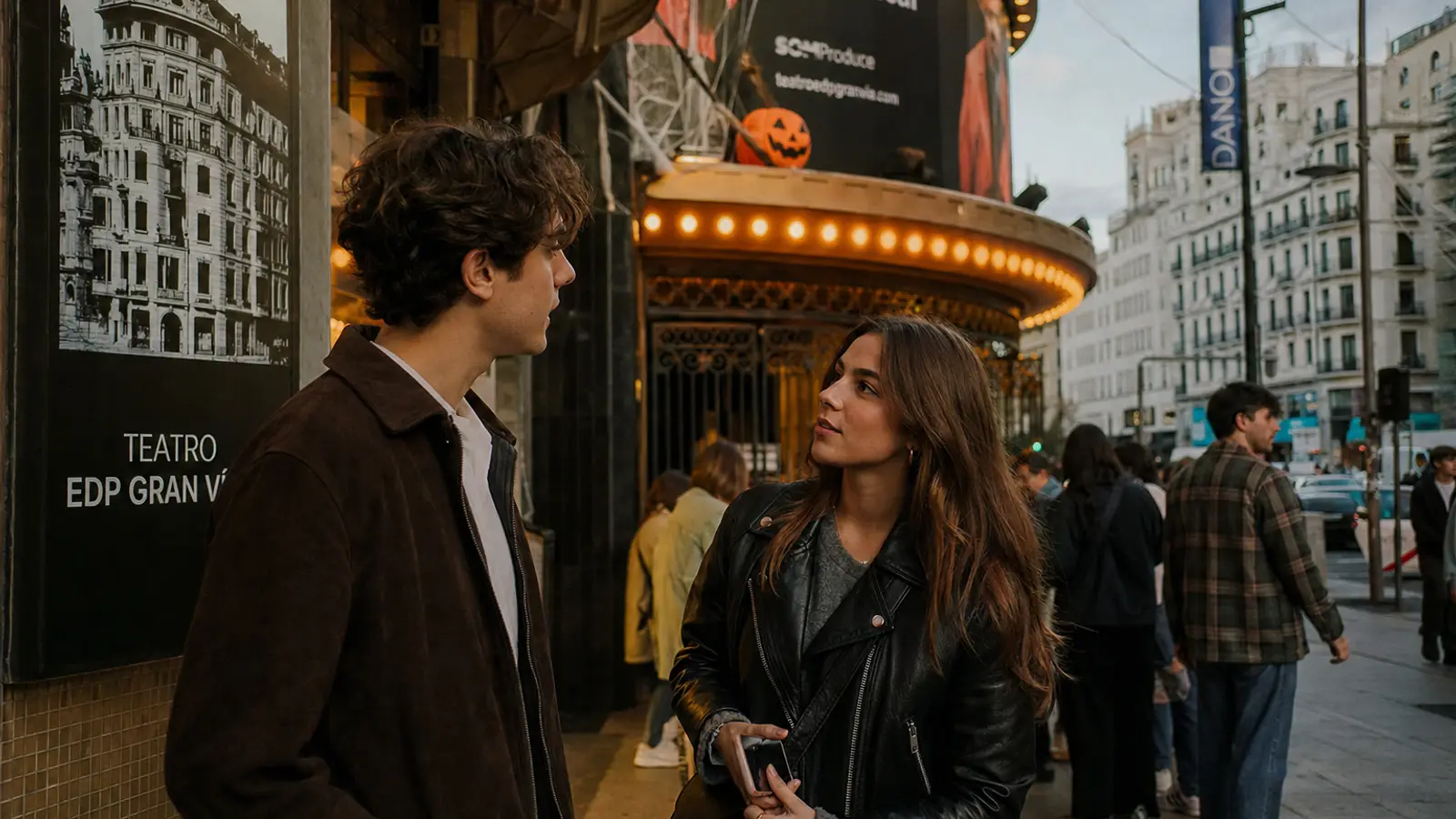
Halloween en Madrid: planes cerca de Gran Vía 2026
Descubre los mejores planes para Halloween 2026 en Madrid: fiestas, pasajes del terror, rutas de leyendas y actividades únicas cerca de Gran Vía.
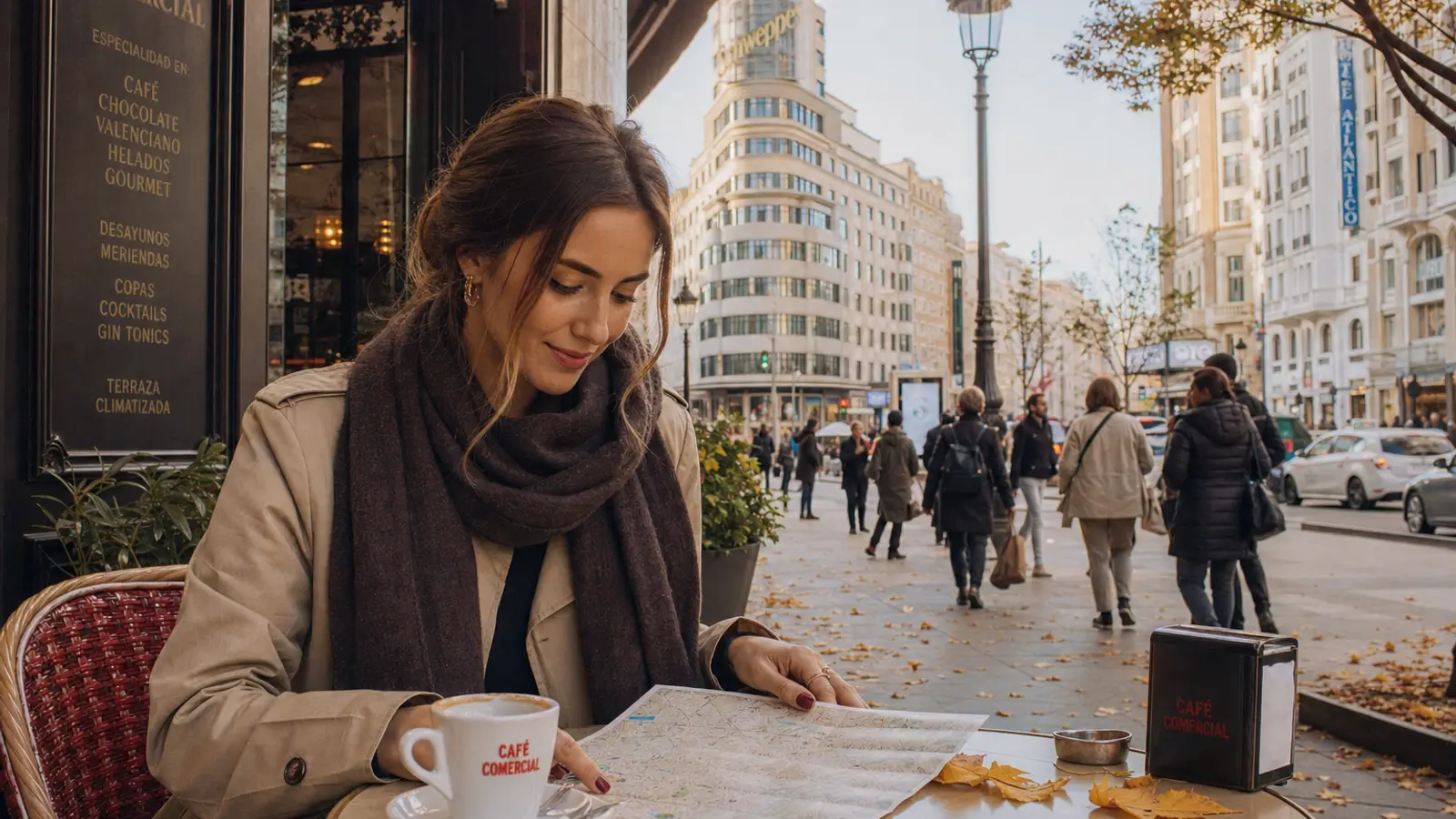
Cómo elegir el mejor hostal en Madrid: consejos y ubicaciones clave
Descubre qué tener en cuenta al elegir un hostal en Madrid. Consejos útiles, precios y las mejores ubicaciones como Gran Vía. Lee más aquí.
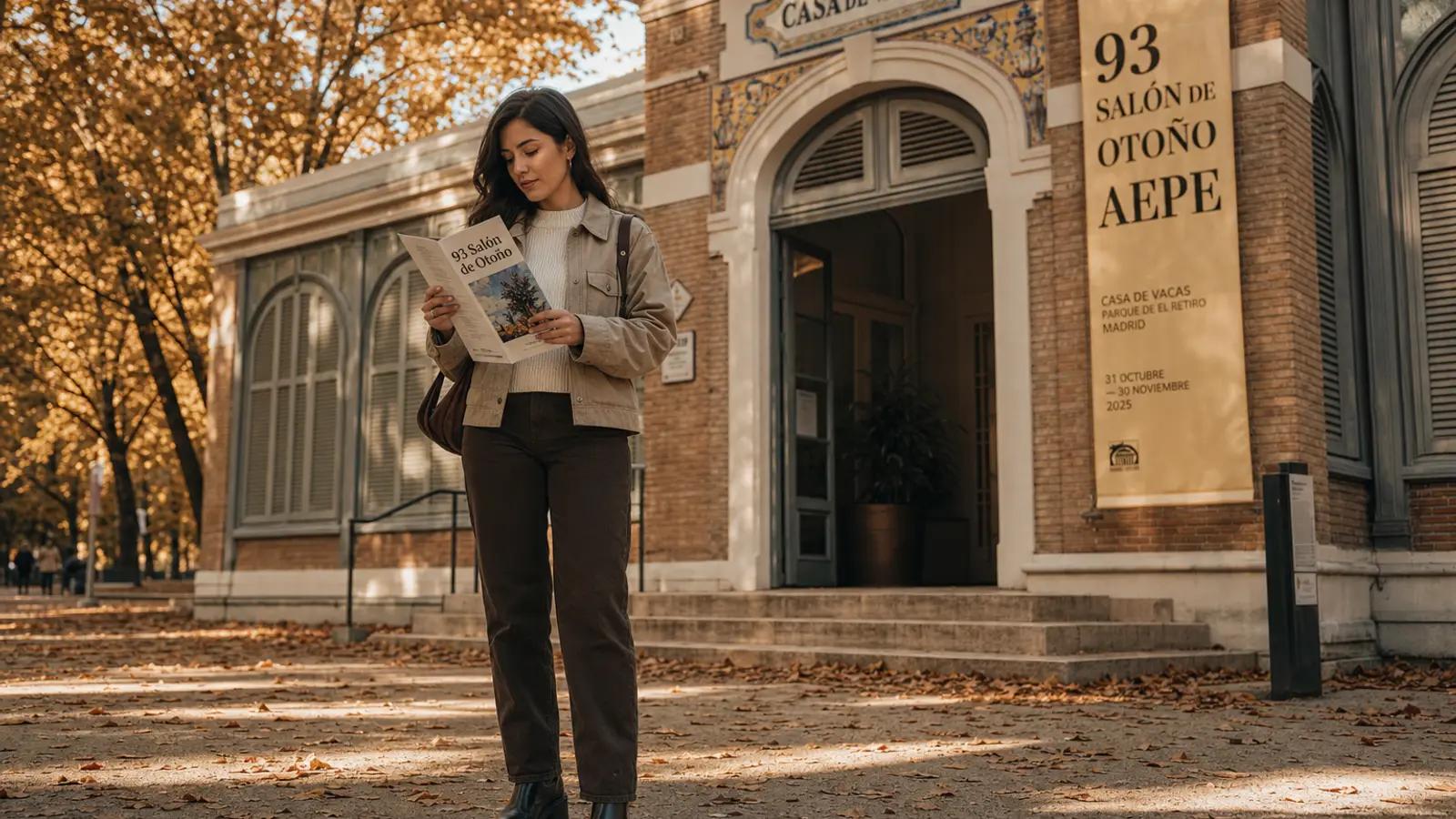
Inauguración del 93 Salón de Otoño en el Retiro: arte gratis desde hoy
Descubre el 93 Salón de Otoño en el Retiro, con entrada gratuita. Arte contemporáneo a 20 minutos de Gran Vía. Detalles y cómo llegar aquí.