

MadBlog
Eduardo Arroyo: Key Spanish Contemporary Artist in Madrid
Learn about Eduardo Arroyo, a Madrid-born artist who shaped Spanish contemporary art with his critical and ironic vision, from exile to legacy.
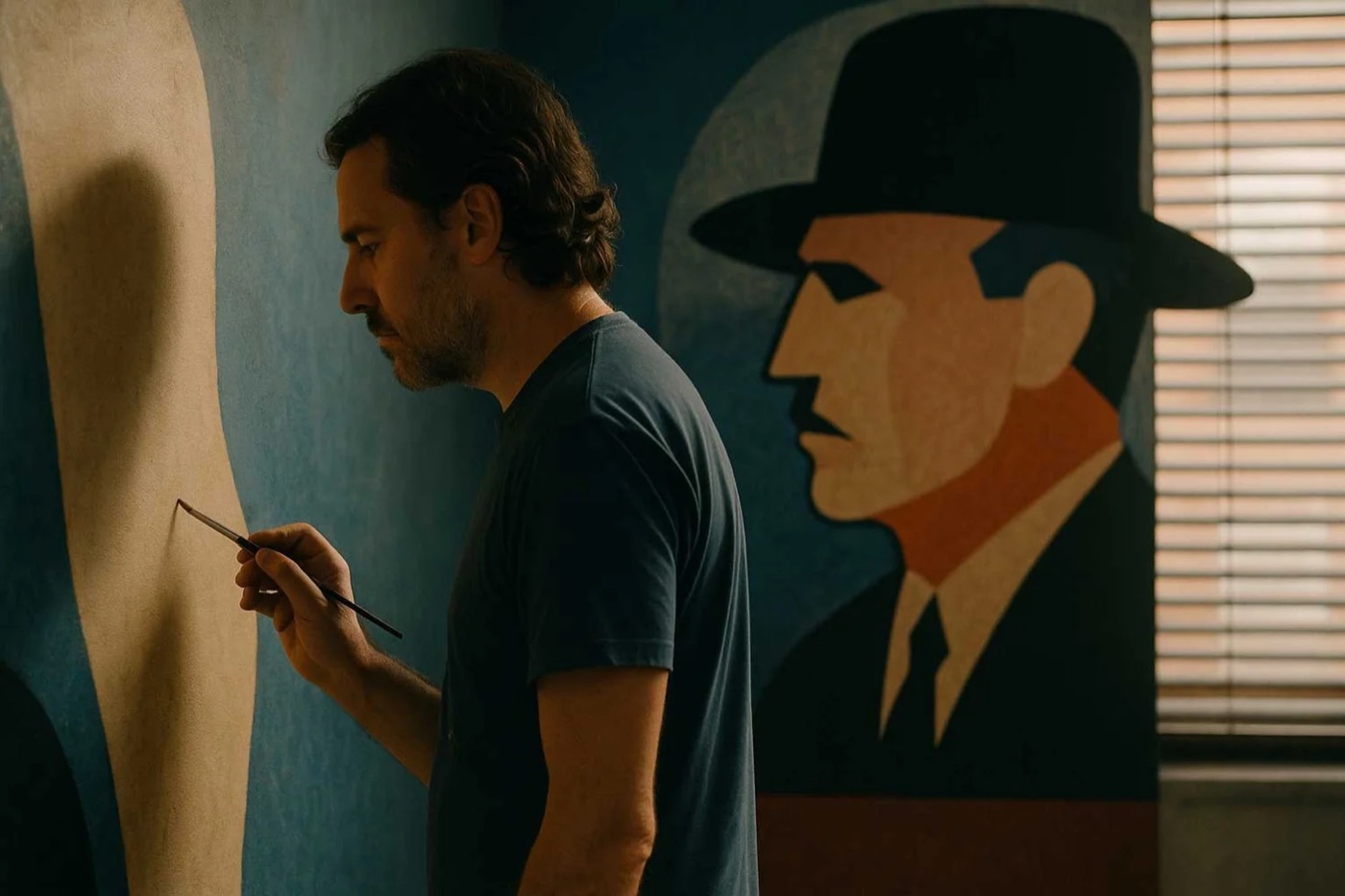
Madrid has a unique way of blending the solemn with the everyday. Among historic façades and modern cafés, the city breathes history and movement. It was here, in 1937, that Eduardo Arroyo was born, an artist who didn’t just observe the world but questioned it. Painter, writer, set designer, and above all, a storyteller of his time, Arroyo turned art into a tool for reflection, discomfort, and sometimes laughter—expressing what couldn’t be said.
Childhood, exile, and an uncomfortable perspective
Arroyo grew up in a country silenced by the post-war era. As the child of a Republican family, he quickly understood that freedom was a rare luxury. He studied journalism, but the written word wasn’t enough for him. By the late 1950s, he left Spain and went into exile in Paris, seeking space, ideas, and colour. In the French capital, he connected with writers, filmmakers, and artists who challenged the boundaries of traditional art. There, he began to paint fearlessly, moving away from academic conventions and embracing irony. At a time when art was dominated by solemnity, Arroyo used humour as a form of resistance. His style—figurative, provocative, and loaded with symbols—was an elegant slap in the face to authority. He didn’t address politics directly, but every one of his paintings was a visual manifesto against censorship and conformity.
Eduardo Arroyo was a visual storyteller. Each of his works is a tale wrapped in colour and sarcasm. He was drawn to fallen heroes, defeated boxers, and forgotten characters. In his world, the ugly and the beautiful shared space, just as the comic and the tragic did. During his exile, he collaborated with other artists and became part of the critical realism movement, which questioned the role of art as mere decoration. For Arroyo, painting had to serve a moral purpose: to provoke, to highlight, and to confront viewers with what they didn’t want to see. When he returned to Spain in 1976, he brought with him a suitcase full of irony and memories. The country was beginning to wake up after the dictatorship, and his art became a colourful x-ray of a society trying to move forward without forgetting its wounds.
Madrid: a stage that never left him
Although he lived abroad for many years, Madrid was always his starting point and his return. On his walks through El Rastro, he found fragments of his own story: objects that had survived other lives, just as his art survived trends. For him, El Rastro was a theatre of the everyday, a place where the popular and the marginal coexisted without labels. In that ordered chaos of voices, colours, and bric-a-brac, Arroyo found the true pulse of the city.
His connection to Madrid lasted until the end. He participated in the cultural life of the capital, exhibited in museums and galleries, and collaborated on set designs for the Teatro Español and the Compañía Nacional de Teatro Clásico. If you look closely at the streets of the city centre, you can still feel his spirit: in murals that use irony as a weapon, in artists who prefer to provoke rather than please, and in Madrileños who defend freedom as something natural.
Eduardo Arroyo passed away in 2018, but his influence is more alive than ever. Not just in his paintings—on display at the Museo Reina Sofía or the Thyssen-Bornemisza—but in the way Madrid’s artists today understand commitment. His legacy isn’t measured in works but in attitudes: the ability to laugh at power, to mix high culture with the popular, to paint with irony without losing depth. In an era dominated by fleeting images, Arroyo reminds us that art isn’t just what you see, but what makes you think.
MadBlog
Keep reading
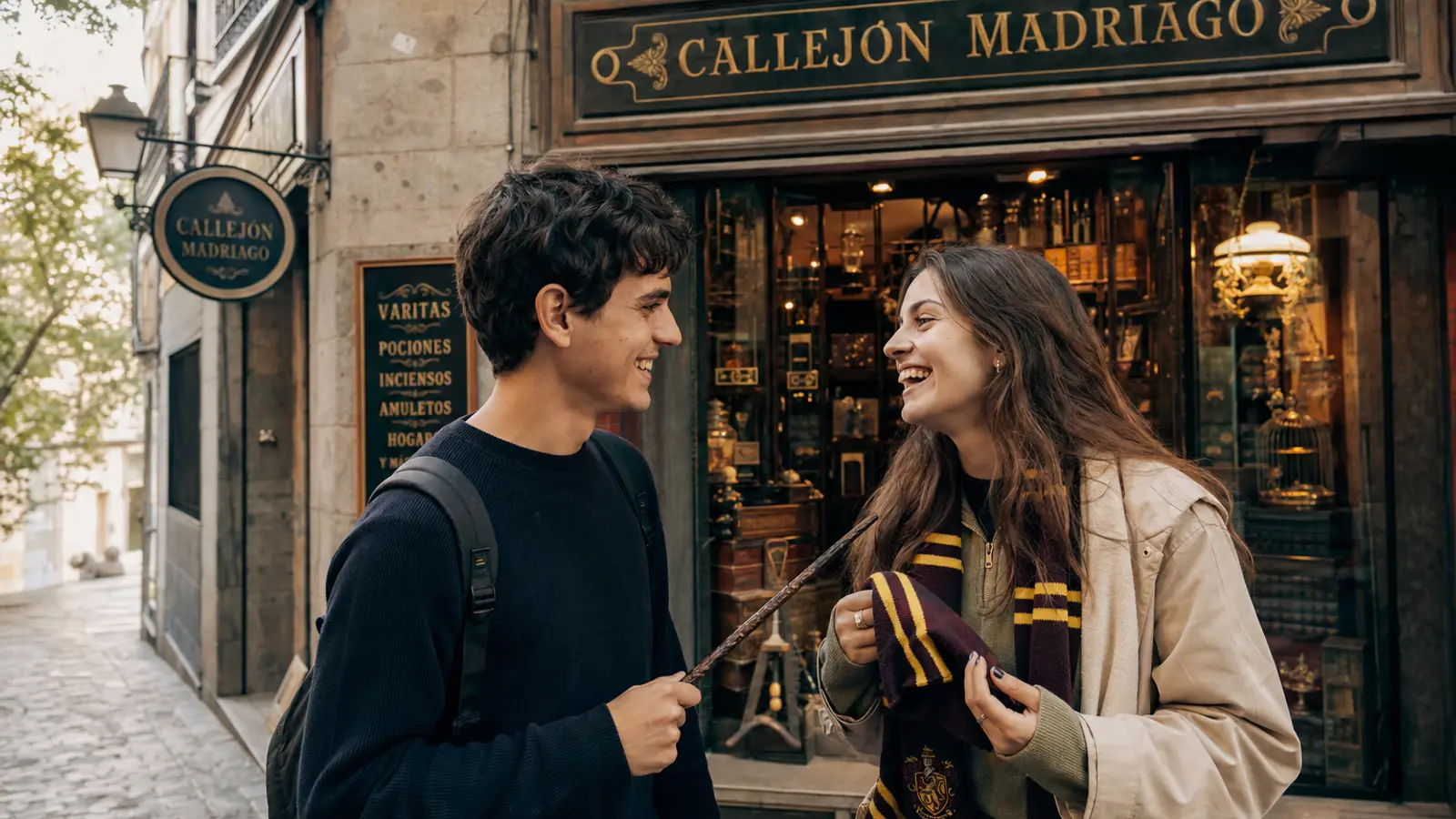
Harry Potter en Madrid: planes y rincones mágicos
Descubre planes temáticos de Harry Potter en Madrid: exposiciones, tiendas, cafeterías y actividades para fans. ¡Magia cerca de Gran Vía!
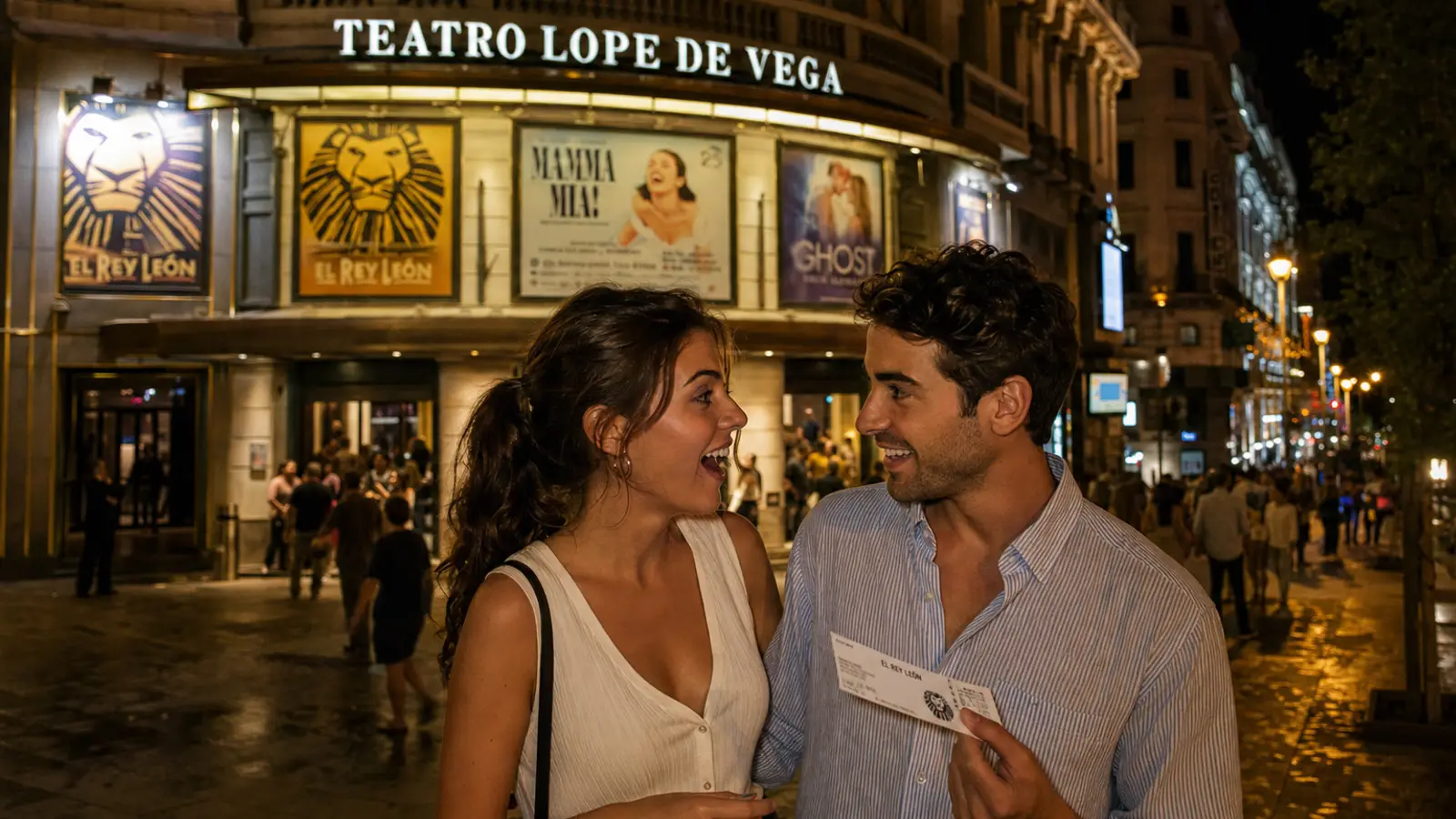
Musicales en Gran Vía 2026: todo lo que necesitas saber
Descubre los mejores musicales en Gran Vía para 2026: horarios, precios, teatros y espectáculos imprescindibles. A un minuto de MadVibes Hostel.
Apertura Madrid Gallery Weekend: arte contemporáneo gratis hasta hoy domingo
Último día para disfrutar de Apertura Madrid Gallery Weekend 2023. Arte contemporáneo gratis en galerías del centro, a minutos de MadVibes Hostel.