

MadBlog
Renfe train strike this Thursday 29 October: how it affects Madrid
Renfe train strike in Madrid this Thursday 29 October. Learn which trains are affected, transport alternatives, and tips from Gran Vía.
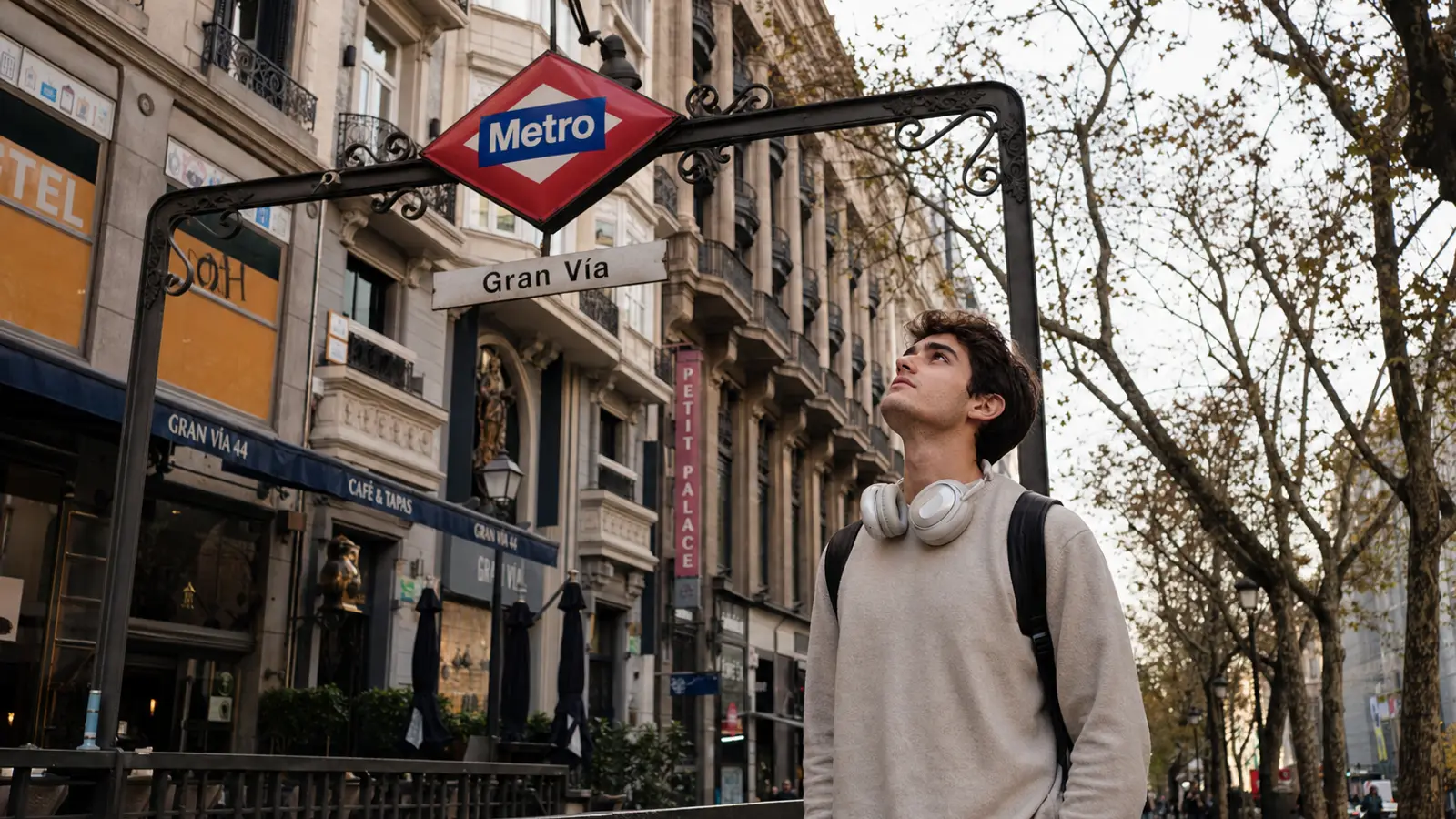
This Thursday 29 October, Renfe trains will be on strike, impacting transport in Madrid. Here's how it might affect you and the best alternatives from Gran Vía.
Which trains are affected by the strike?
The strike hits the Cercanías (commuter), medium, and long-distance trains. In Madrid, that means key lines running out of Atocha and Chamartín stations. Renfe has guaranteed minimum services—75% during peak hours, 50% otherwise—but we'd still check their app for live updates before leaving the hostel. It's the only way to be sure.
For those relying on Cercanías, it's worth noting that peak hours typically cover early morning (6:00-9:00) and late afternoon (17:00-20:00). Outside these times, expect reduced frequency and potential delays. Long-distance travellers should also be aware that some trains may be entirely cancelled, so double-check your ticket status. If you're travelling to another city, consider alternative transport options like buses or car rentals.
Additionally, Renfe's AVE high-speed trains may also experience disruptions, particularly during non-peak hours. If you have a ticket for one of these services, check for updates on potential rescheduling or cancellations. Refunds or exchanges are usually offered in such cases, but it's best to confirm directly with Renfe customer service. For international travellers, note that connections to destinations like Barcelona or Seville might require alternative planning.
How to get around from Gran Vía during the strike?
Our location means you can sidestep most of the hassle. We're a one-minute walk from Gran Vía, giving you direct access to the Metro. During strikes, it's the most reliable way to get around. Line 1 (from Gran Vía station) gets you to Atocha in 10 minutes, and Line 5 (from Callao) connects you to neighbourhoods like La Latina. EMT buses also run more frequently, so they're a solid backup.
If you're planning to visit major attractions like Retiro Park or the Prado Museum, the Metro is your best bet. For destinations further out, such as Casa de Campo or Madrid Río, EMT buses provide reliable service. Remember to check the Metro de Madrid app for real-time updates and plan your routes accordingly. If you're travelling late at night, night buses (known as 'búhos') are a dependable option, with routes covering most of the city.
For those who prefer cycling, Madrid offers a public bike-sharing service called BiciMAD. Stations are conveniently located throughout the city, including near Gran Vía. Renting a bike costs around €2 per hour, making it an eco-friendly and efficient way to navigate the city during the strike. Additionally, walking is a great option for exploring central areas like Malasaña, Chueca, and Sol, all within a short distance from Gran Vía.
What are the alternatives for travelling outside Madrid?
If you need to get out of Madrid, buses are your answer. Head to Estación Sur or Moncloa interchange. Companies like Alsa and Avanza will be running as normal. Ride-sharing apps like BlaBlaCar are another option. For context, a bus ticket to Toledo will set you back about €5-€10.
For trips to nearby cities like Segovia or Ávila, buses are a convenient and affordable alternative. Alsa operates frequent services to these destinations, with tickets typically costing between €8 and €15. If you're heading further afield, such as Valencia or Barcelona, consider booking in advance to secure the best prices. For those who prefer driving, car rental services are widely available in Madrid, with daily rates starting around €30.
Another option is to explore high-speed bus services, which offer comfortable seating and onboard amenities like Wi-Fi and power outlets. Companies like Samar and FlixBus provide routes to various cities across Spain. If you're travelling in a group, renting a private vehicle or van can also be a cost-effective solution. Be sure to check for toll roads when planning your route, as these can add to your travel expenses.
Is it worth using taxis or ride-hailing services?
Taxis and ride-hailing apps (Uber, Cabify) will be in high demand. That means longer waits and dynamic pricing kicking in. If you have to use one, try to book it in advance and compare prices between services. For reference, a taxi from our door to the airport has a fixed rate of €30.
If you're travelling within the city, short trips by taxi or ride-hailing services can still be a viable option, especially if you're in a hurry. However, be prepared for potential surcharges during peak hours. For group travel, splitting the cost of a ride can make it more economical. Additionally, apps like Free Now often offer discounts or promotions, so it's worth checking before booking.
For late-night travel, taxis and ride-hailing services are often the most reliable option. Keep in mind that some areas of Madrid, like the airport or major train stations, have designated pick-up zones for these services. Familiarize yourself with these locations to avoid confusion. Additionally, consider using apps that allow you to pre-schedule rides, ensuring availability during busy periods.
During a train strike, the Metro is the only transport we trust to run on time.
Tips to plan your day
So, the game plan is simple. Check the Renfe site for the official schedule, but stick to transport that isn't on strike. The Metro is your best bet. If you've booked tickets for a tour or an event, it's worth a quick call to confirm timings haven't changed. The upside is that you're staying so central that most of the city's core is walkable from our door anyway. No train needed.
For those planning a day trip, consider leaving earlier than usual to account for potential delays. Pack essentials like water, snacks, and a power bank to stay prepared for longer journeys. If you're exploring Madrid, take advantage of its walkable city centre. Iconic landmarks like Puerta del Sol, Plaza Mayor, and the Royal Palace are all within a 15-20 minute walk from Gran Vía. For a more relaxed day, explore neighbourhoods like Malasaña or Chueca, both easily accessible on foot.
If you're visiting Madrid for the first time, consider purchasing a Madrid Tourist Travel Pass. This pass offers unlimited travel on public transport, including the Metro and buses, for durations ranging from 1 to 7 days. Prices start at €8.40 for a one-day pass, making it a cost-effective option for getting around the city during the strike. Additionally, keep an eye on local news or social media for updates on the strike and any changes to transport schedules.
MadBlog
Keep reading
Halloween en Madrid: planes cerca de Gran Vía 2026
Descubre los mejores planes para Halloween 2026 en Madrid: fiestas, pasajes del terror, rutas de leyendas y actividades únicas cerca de Gran Vía.

Cómo elegir el mejor hostal en Madrid: consejos y ubicaciones clave
Descubre qué tener en cuenta al elegir un hostal en Madrid. Consejos útiles, precios y las mejores ubicaciones como Gran Vía. Lee más aquí.

Inauguración del 93 Salón de Otoño en el Retiro: arte gratis desde hoy
Descubre el 93 Salón de Otoño en el Retiro, con entrada gratuita. Arte contemporáneo a 20 minutos de Gran Vía. Detalles y cómo llegar aquí.